
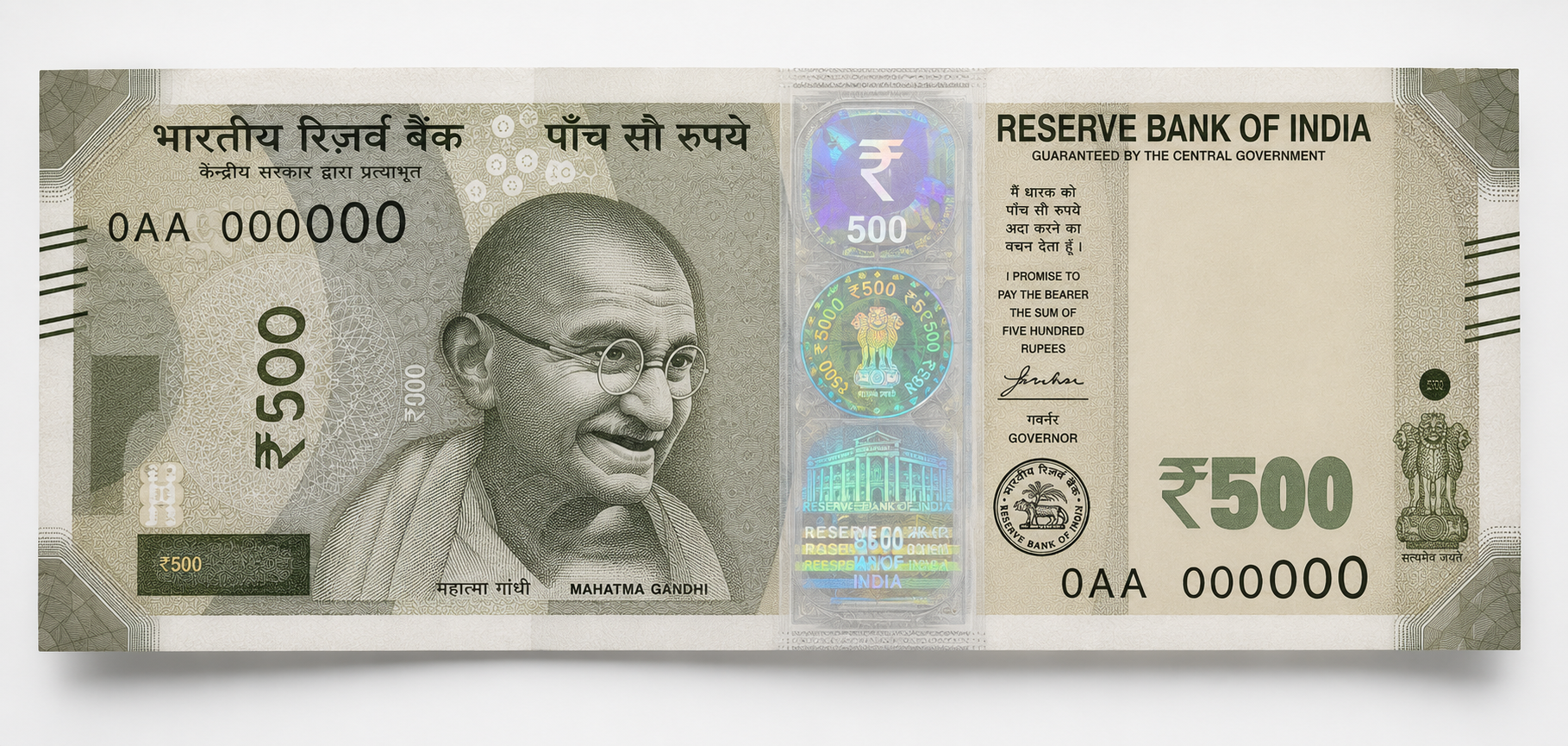
RBI launches India Plastic Note, Big Update for Indian about Currency
Thank you for reading this post, don't forget to subscribe!India Plastics Note, nowadays many people are talking about indian new currency, which will be changed from paper note into polymer notes, this is a big update from RBI about Plastic Notes.
In recent months, discussions. Many reports suggest that the Reserve Bank of India (RBI) is exploring introducing polymer-based currency notes to replace traditional paper notes.
This development has sparked curiosity among citizens who want to understand how these new notes will work, why they are being considered, and whether existing currency notes will become invalid. Here is everything you need to know about India’s potential move towards plastic currency notes.
What Are Indian Plastic Currency Notes?
Plastic currency notes, also known as polymer notes, are made from a special type of plastic substrate instead of the cotton-based paper currently used in Indian currency notes.
Several countries, including Australia, Canada, New Zealand, and the United Kingdom, already use polymer currency because of its superior durability and security features.
Unlike conventional paper notes, polymer notes are resistant to tearing, water damage, dirt, and everyday wear and tear. They can remain in circulation for significantly longer periods without becoming damaged.
Why Is RBI Considering New Indian Plastic Currency?
The primary objective behind introducing new Indian currency plastic notes is to improve the quality, security, and lifespan of India’s currency system.
1. Increased Durability
One of the biggest advantages of polymer notes is their long life. Traditional paper currency often becomes damaged, torn, or dirty after prolonged use.
Studies conducted in countries already using polymer notes indicate that these notes can last up to four times longer than paper notes. This means fewer replacements and lower long-term costs for the government.
2. Better Security Features
Counterfeit currency remains a major concern in many economies, including India.
Polymer notes can incorporate advanced security features such as:
- Transparent windows
- Embedded holograms
- Metallic strips
- Hidden images
- Advanced micro-printing
- Complex security patterns
These features make duplication extremely difficult and help reduce the circulation of fake currency notes.
3. Reduced Currency Printing Costs
Although polymer notes are initially more expensive to manufacture, their longer lifespan reduces the frequency of reprinting.
Every year, the government spends thousands of crores on printing replacement currency notes. By increasing the life cycle of each note, polymer currency can significantly reduce overall printing and distribution expenses over time.
4. Cleaner and More Hygienic Currency
Paper notes often absorb moisture, dust, and bacteria. Polymer notes are easier to clean and maintain, making them more hygienic for everyday public use.
This benefit became especially relevant after the COVID-19 pandemic, when concerns regarding surface contamination increased globally.
Which Indian Currency Notes Could Be Replaced? into India plastic note
According to various discussions and reports, RBI may initially focus on commonly used denominations such as:
- ₹10 Notes
- ₹20 Notes
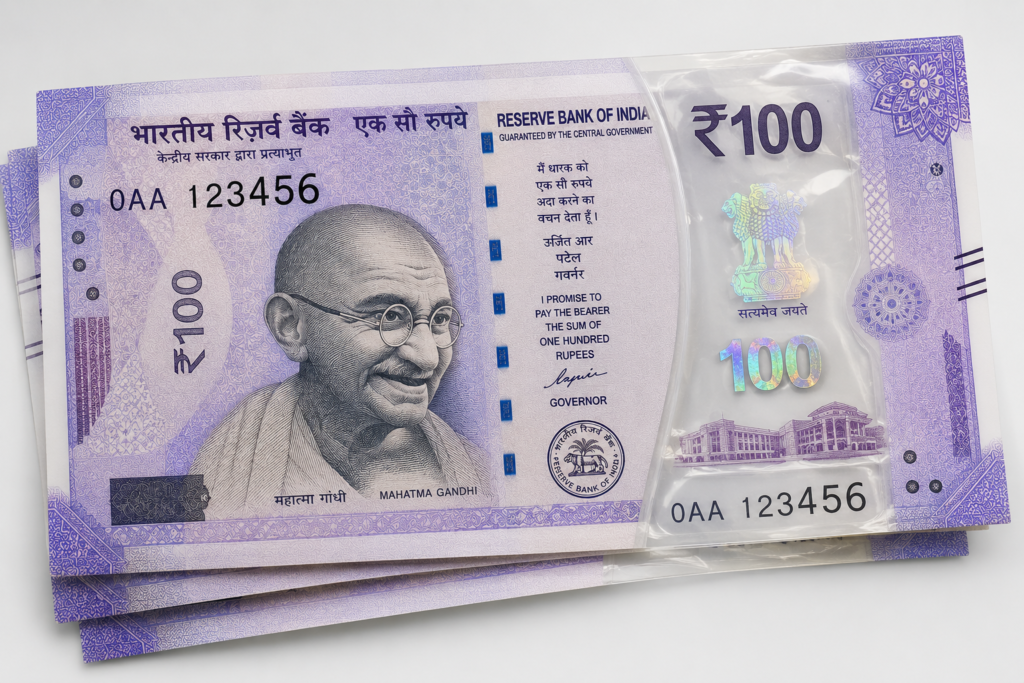
- ₹100 Notes
- ₹200 Notes
- ₹500 Notes
Check into the RBI Official Website
However, no official nationwide rollout schedule has been announced.
Experts believe that lower denomination notes may be introduced first because they experience the highest circulation and wear.
India Plastic Note | Has India Tested Polymer Currency Before?
Yes. Many people are unaware that India has already experimented with polymer notes.
Several years ago, pilot projects involving polymer-based currency were considered in selected cities. The objective was to evaluate public acceptance, durability, and operational challenges.
At that time, factors such as ATM compatibility, handling infrastructure, and production costs prevented large-scale implementation.
However, technology has advanced significantly since then, making polymer currency more practical than ever before.
Will This Be Another Demonetisation?
One of the most common concerns surrounding new Indian currency notes is whether the introduction of polymer notes would result in another demonetisation similar to 2016.
The answer is most likely no.
If RBI decides to introduce polymer notes, the transition is expected to be gradual rather than sudden.
Existing paper notes would likely continue to remain legal tender for a considerable period. As old notes return to banks through normal circulation, they could be gradually replaced with new polymer versions.
This approach would minimise disruption for citizens, businesses, and financial institutions.
Global Success of Plastic Currency Notes
Many countries have successfully adopted polymer currency.
Australia
Fount the Travel package of Australia
Australia became the first country to fully adopt polymer banknotes. The move significantly improved note durability and reduced counterfeiting.
Canada
Before introducing polymer notes, Canada faced substantial counterfeit currency challenges.
After launching polymer banknotes, counterfeit cases reportedly declined dramatically due to the enhanced security features built into the new notes.
United Kingdom
The UK replaced several traditional paper banknotes with polymer versions, improving note longevity and reducing replacement costs.
These international examples demonstrate how polymer technology can strengthen a country’s currency management system.
Challenges India May Face
Despite the benefits, implementing Indian plastic notes may present several challenges:
ATM and Banking Infrastructure
ATMs, cash-counting machines, and note-sorting systems may require upgrades to handle polymer currency efficiently.
Public Adaptation
Citizens will need time to become familiar with the look and feel of plastic notes.
Initial Investment
The transition will require significant upfront investment in printing technology, distribution systems, and infrastructure upgrades.
However, supporters argue that these short-term costs could be offset by long-term savings.
Impact on India’s Digital Economy
India has already witnessed rapid adoption of digital payments through UPI, mobile wallets, and internet banking.
The introduction of polymer notes would not replace digital payments but could complement India’s broader financial modernisation efforts.
A more secure and durable currency system can work alongside digital transactions to create a stronger and more efficient economy.
What Can Citizens Expect Next?
At present, there has been no official confirmation regarding a nationwide launch date for new Indian plastic currency notes.
However, increasing discussions around Indian currency new, Indian new currency, and plastic currency notes indicate growing interest in modernising India’s cash infrastructure.
If RBI moves forward with the project, implementation is likely to occur in phases, beginning with selected denominations and gradually expanding across the country.
Conclusion
The possibility of introducing Indian plastic currency notes represents a significant step towards modernising India’s financial system. Polymer notes offer greater durability, enhanced security, improved hygiene, and lower long-term replacement costs compared to traditional paper currency.
While challenges such as infrastructure upgrades and public adaptation remain, the success of polymer currency in countries like Australia, Canada, and the United Kingdom suggests that the transition could deliver substantial benefits for India. Whether RBI announces the rollout in the near future or later, the discussion around new Indian currency, new Indian plastic currency, and Indian currency plastic notes is likely to remain an important topic for policymakers, businesses, and citizens alike.
Yeh version SEO + GEO (Generative Engine Optimisation) dono ke hisaab se structured hai, jisse Google ke saath AI search platforms bhi article ka context easily samajh saken
.